Introduction
High school study habits can change how school feels every day. Many students are busy with classes, homework, sports, and family, but still feel stressed and behind. You usually do not need more time; you need a better way to use the time you already have. Simple habits like planning, using short focused sessions, and practicing actively can make homework faster and easier to remember. LSA
The order you do your work also matters for good high school study habits. A lot of students have better results when they start with the hardest subject while they still have the most energy. For example, if math is hardest, you might do math first, then English, and leave something easier, like organizing notes or reviewing vocab, for the end. Doing the tough work first helps you avoid trying to solve hard problems when you are already tired and annoyed. It also feels good to get a big job done early, which can make the rest of your homework feel less scary. BlongOnSpring
Plan Your Homework Before You Start
One helpful habit is to plan your homework before you start instead of just guessing what to do next. Take about 5–10 minutes to write a small list of everything you need to finish, such as “math worksheet, science vocab, English paragraph, history reading.” Next to each task, you can write how many minutes you think it will take, like 20 minutes for math or 25 minutes for science. This turns a confusing pile of work into a clear plan you can follow step by step. When you see all of your work written down, it is easier to notice big things like a test or project that is coming up later in the week. Many teachers and writing centers suggest using a planner or digital calendar so you can see your whole week at once instead of just one day. SchoolStatus
A simple three‑step planning routine could look like this:
- Write down every assignment you need to do today.
- Estimate how long each assignment will take.
- Choose the order you will do them and try to follow it.

Planning like this can help you stay calm because you know what is coming and how long it might take. When you use a planner or calendar, you can spread out studying for tests and working on projects, instead of waiting until the night before.
Do the Hardest Subject First
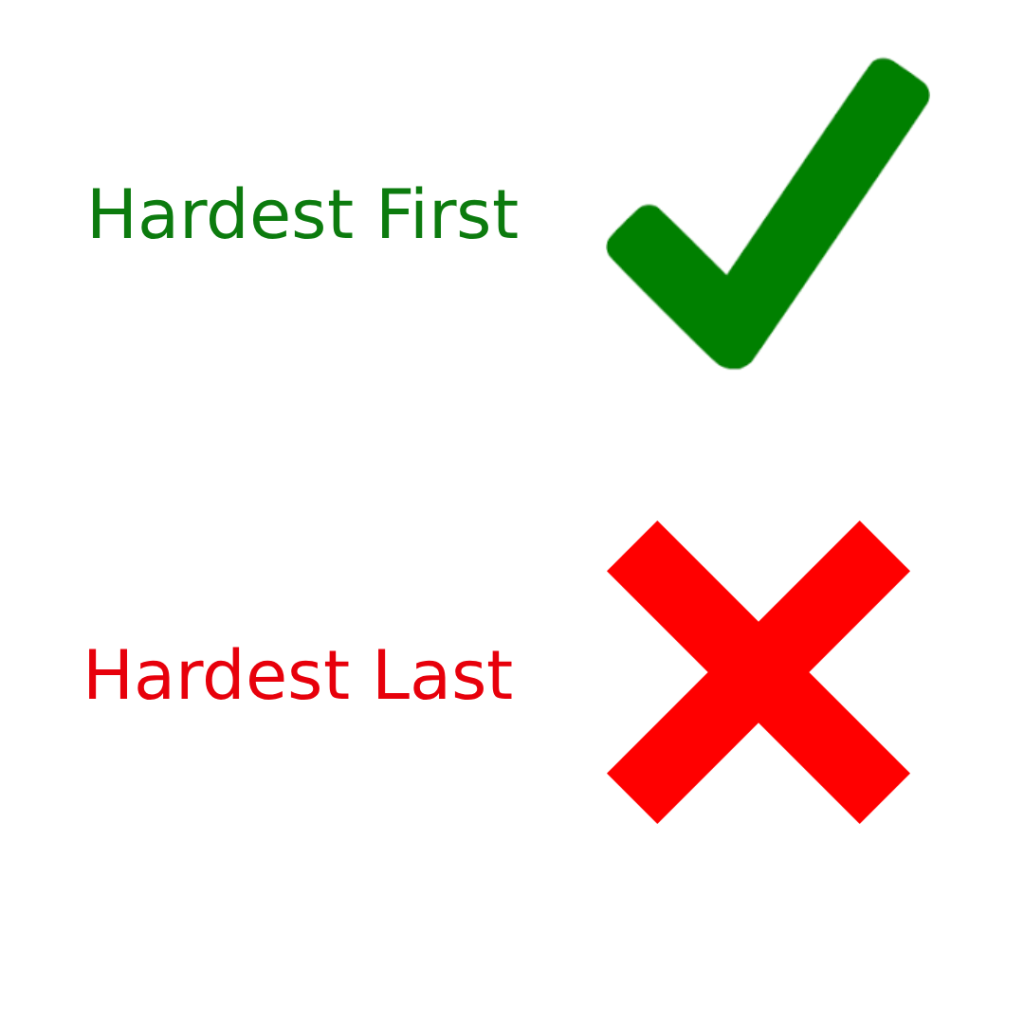
The order you do your work also matters for good high school study habits. A lot of students have better results when they start with the hardest subject while they still have the most energy. For example, if math is hardest, you might do math first, then English, and leave something easier, like organizing notes or reviewing vocab, for the end. Doing the tough work first helps you avoid trying to solve hard problems when you are already tired and annoyed. It also feels good to get a big job done early, which can make the rest of your homework feel less scary.
Many people call this idea “doing the hardest task first.” When you handle the hardest subject at the start, you use your best focus on the work that needs the most effort. This can help you procrastinate less and finish important assignments on time. Over time, students who plan and prioritize their work like this often feel more confident and less stressed about homework.
Use Your Notes in a Different Way
Planning and picking the right order are good first steps, but you also need a study style that keeps you interested. Instead of only reading the same page again and again, try turning your notes into quick activities that feel more like a game or a challenge. Study experts say that doing something with the information helps it stick in your memory longer than just looking at it.
Here are some different ways to use your notes:
- Color‑code your notes (for example, blue for vocab, green for examples, red for formulas) and then cover parts to see what you can still remember.
- Make a “cheat sheet” on one page from memory, then check your notebook and add anything you forgot.
- Turn key ideas into a quick matching game (term on one side, meaning on the other) and mix them up.
- Record yourself explaining a topic in your own words, then listen later and see if anything sounds confusing or missing.
These methods can make studying feel less boring and more active, even if you are working by yourself. Students who use creative, hands‑on ways to review usually understand the material better and feel more prepared when it is time for a quiz or test.
Small Changes You Can Actually Use
High school study habits do not need to be perfect or fancy to make a real difference in your life. Simple things like planning your homework, doing the hardest subject first, and using your notes in smarter, more active ways can turn a stressful homework night into a clear plan you can actually finish.
You do not have to change everything at once. Pick one new habit to try tonight, maybe making a short homework list with times, or starting with your hardest class, and see how it feels. Once that habit starts to feel normal, you can add another one, and over time these small changes can help you feel more organized, less stressed, and more confident about school.